
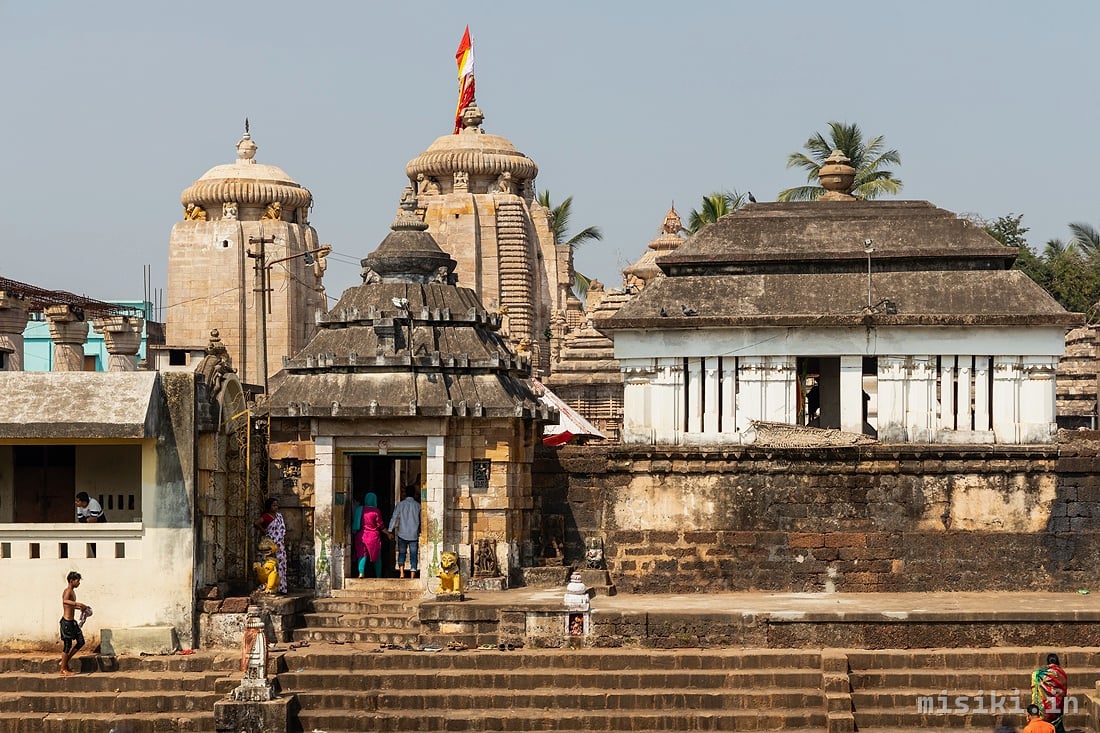
Kapilesvara Siva Temple Mandira Bhubaneswar Real-Time Guide

9 min read
22 April 2026

The morning mist in the Kapilesvara village area smells of damp red earth and burning dhuna. You hear the heavy brass bells ringing before you actually see the towering spire of the temple itself. Auto rickshaws honk past narrow brick lanes while temple priests walk with fresh garlands of tuberose. This is the Kapilesvara Siva Temple, a 14th-century relic that sits quietly away from the main Lingaraj rush.

Quick Info
Timings: 6:00 AM to 8:00 PM
Entry Fee: Free
Best time to visit: Early morning before 8:00 AM or late evenings

Kimbadanti (Legends and Folklore)

Old people in the Kapilesvara village area will tell you stories that you will not find in standard history books. The temple is deeply linked to Sage Kapila. He was a strict sage who practiced extreme austerity right here in ancient Kalinga. Local lore says that Lord Shiva was so pleased with Sage Kapila's severe penance that he appeared here in a fiery pillar of light. That exact spot is where the main Shivalinga sits today. The name Kapilesvara literally means the Lord of Kapila.

There is another story that grandmothers in the area narrate. They say during the 14th century, the Ganga dynasty kings were building temples at a massive scale. The masons working on this temple faced a major problem. The massive stone blocks kept breaking at night. One night, the head mason dreamt of a local cowherd who told him to dig at a specific spot near the river bed. The next morning, they found a naturally formed Shivalinga under the earth. They built the entire temple around that self-manifested linga.

People here also believe that the underground water channel near the temple has healing properties. If you have a skin ailment or a long-standing fever, locals will tell you to take a few drops of that water. During Shravan month, the folklore gets even more intense. Devotees believe that all the gods from the nearby temples come secretly at night to pay respects to Kapilesvara. You will see small footprints marked in vermilion near the outer walls. Priests say those are the marks left by the divine entities themselves.

Location and How to Reach

Finding the Kapilesvara Siva Temple requires some local navigating. It is not right on the main highway. If you are starting from AG Square, you need to take an auto heading towards the Old Town area. You tell the driver "Kapilesvara village". It will cost you around fifty to sixty rupees. The auto will go past Master Canteen, take a left near the traffic signal, and then enter the narrow village roads.

If you are coming from the Lingaraj Temple side, it is actually a short cut. You walk down the lane behind the Ananta Vasudeva Temple area, cross the local sewage drain, and keep walking straight for about fifteen minutes. The road is paved but very narrow. Two cars cannot pass at the same time. You will know you are close when you see a cluster of small pandas sitting on wooden platforms under banyan trees. The temple suddenly opens up in a large courtyard on your left. There is a small square right in front of the temple where autos drop people off. Do not try to drive your own car into this lane during peak hours. You will be stuck in a dead end only.

Vibe and Atmosphere

The vibe here changes completely depending on the time of day. Early morning is the best. The stone floors are wet from being washed. The air is cool and smells strongly of camphor and raw incense. You will see a handful of devout locals sitting on the floor, chanting the Panchakshara Mantra under their breath. The pandas are not aggressive here. They sit on their wooden cots, reading newspapers or talking on their basic mobile phones. There is a deep sense of slow-moving time.

Come back at 6:30 in the evening and the atmosphere shifts. The courtyard gets lit up with tiny earthen lamps. The high walls of the temple block out the city noise. You can only hear the temple bells, the distant sound of a local FM radio playing Odia bhajans from a nearby house, and the rustling of the giant banyan tree leaves. The pink and orange light from the setting sun hits the 14th-century stone carvings on the outer walls. It makes the carved figures of dancers and musicians look almost alive. It feels like you have stepped out of 2026 Bhubaneswar and into a totally different century.

Peace of Mind and Spiritual Experience

If you want mental calm, this is the spot. Unlike the Lingaraj temple where you are pushed by the crowd, here you can actually sit and do nothing. There is a wide outer prakara, which is the enclosed corridor around the main sanctum. The stone steps here are cool even in peak summer. You can just sit in a corner, close your eyes, and focus on the rhythmic ringing of the bell inside the garbhagriha.

There is a small open shed on the eastern side of the temple. Hardly anyone goes there. It has a few old stone pillars with weathered carvings. Sitting there and looking at the main spire against the morning sky gives you a strange sense of grounding. The city rush, the office deadlines, the traffic jams near Saheed Nagar, all of it feels very far away. The spiritual experience here is not loud. It is very quiet and internal. You just watch the priest doing the aarti with a brass lamp and feel a sudden stillness in your own head.

Enjoy the Place Type

Architecture students and history buffs will enjoy this place the most. The temple follows the typical Kalingan Rekha order. Look closely at the pagas, which are the vertical projections on the tower. The carving of the divine musicians playing instruments is very detailed. You can see the fingers on the Veena strings. That level of craftsmanship is rare in 14th-century structures.

Families come here mainly for Mundan ceremonies, which is the first hair-shaving ritual for babies. You will often see small kids crying while the pandas do the necessary pujas. Solo travelers can just walk around with a camera, though photography inside the sanctum is strictly banned. If you are a student looking to study temple architecture without a crowd breathing down your neck, bring a notebook and sit by the outer wall. You can sketch the motifs in total peace.

Belief and Local Significance

For the locals of Bhubaneswar, Kapilesvara is not just another Shiva temple. It holds a very specific belief regarding marriage and relationship issues. Many young people come here on Mondays to offer water and bilva leaves to get rid of astrological doshas related to their horoscopes. The pandas here maintain thick handwritten registers with family trees. They take these genealogical records very seriously.

During Maha Shivaratri, the crowd here is massive. But it is a different crowd from the tourist-heavy Lingaraj. Here, you will see people from the nearby villages of Kalarahanga, Patia, and Khandagiri. They come in tractor loads. They cook their food right on the road outside the temple and spend the entire night awake, singing bhajans. The local belief is that a wish made here during Shivaratri, especially if you stay awake the whole night, never goes unfulfilled.

Energy and Vibrations

The spiritual energy of the Kapilesvara Siva Temple is very raw and heavy. When you stand in front of the main Shivalinga, you immediately notice the darkness inside the sanctum. The only light comes from the oil lamps. The linga itself is a dark stone, constantly anointed with a thick layer of sandalwood paste and milk. The heat generated by hundreds of oil lamps and burning incense sticks over centuries has created a very distinct smell inside the chamber.

The vibrations feel ancient. There are no fancy LED lights or loudspeakers blaring recorded mantras here. The priest just rings a heavy iron bell and chants in a low, deep voice. The sound echoes against the stone walls and hits your chest. You can literally feel the sound wave. The energy does not give you a buzz. Instead, it slows your heartbeat down. The entire sanctum feels like a heavy, pressurized chamber of devotion that has been building up since the 1300s.

Comparison Table

Name

Area

Price

Rating

Best For

Kapilesvara Siva Temple

Kapilesvara Village

Free

4.5/5

Quiet meditation and ancient architecture

Lingaraj Temple

Old Town

Free

4.8/5

Major pilgrimage and grand temple rituals

Mukteswar Temple

Old Town

Free

4.7/5

Photography and intricate torana gateways

Kedar Gouri Temple

Old Town

Free

4.4/5

Local devotion and sacred water tank dips

Frequently Asked Questions

Is photography allowed inside the Kapilesvara Siva Temple?
No, photography is strictly banned inside the main sanctum where the Shivalinga is located. You can take photos of the outer walls, the carved motifs, and the courtyard without any problem.

Is there proper parking space for cars near the temple?
There is no dedicated parking lot. You have to park your car on the wider road near the Kapilesvara village square and walk the last two hundred meters. Two-wheelers can somehow squeeze into the lane, but it is risky during rush hours.

Can I pay for the special puja via UPI?
Yes, the pandas here have adapted to modern times. Most of them have QR codes printed on small laminated cards hanging around their necks. You can easily pay for the abhada or puja materials using Google Pay or PhonePe.

Where do we keep our shoes before entering the temple?
There is a designated shoe stand right at the entrance of the outer wall. An old man from the village sits there. You do not have to pay him, but giving him five or ten rupees when you take your shoes back is standard practice.

Are there any good veg dukan nearby for prasad?
There are small shops right outside the temple square selling fresh peda, khaja, and bananas for offering. If you want a proper meal, you will have to walk back to the main road near Tankapani where there are basic vegetarian hotels.

What are the timings during the Shravan month?
During Shravan, the temple opens very early, usually around 4:30 AM, to manage the massive rush of devotees carrying Kanwar. The evening aarti also gets delayed and sometimes goes on until 9:00 PM.

Is the temple safe for solo female travelers?
Yes, the Kapilesvara village area is extremely safe even during late evenings. The local families are around all the time, and the temple courtyard is well lit after sunset. There is no history of nuisance in this specific area.

How far is this temple from the Bhubaneswar railway station?
It is roughly seven kilometers from the Master Canteen side of the railway station. An auto will take about twenty-five to thirty minutes depending on the traffic near the Old Town area.

Can we touch the Shivalinga at Kapilesvara Siva Temple?
No, common devotees are not allowed to enter the garbhagriha or touch the linga. The panda will take your offerings, pour the water on the linga on your behalf, and give you back the prasad from behind the stone barrier.

About this Guide

This guide was curated by the Misiki editorial team. We visit local spots, talk to residents, and verify details to bring you the most authentic recommendations in bhubaneswar.