
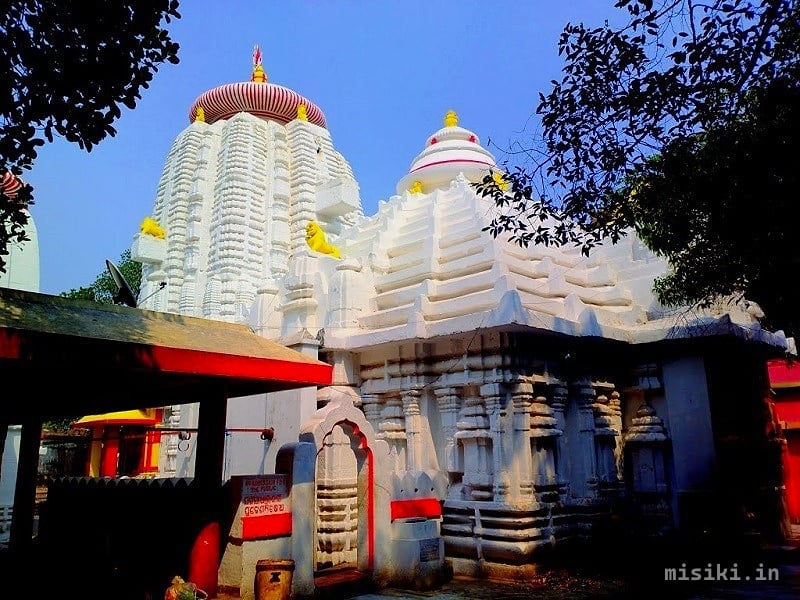
Quick Info
- Timings: 6:00 AM to 9:00 PM
- Entry Fee: Free
- Best Time to Visit: October to March
- Location: Kedar Gouri Road, Bhubaneswar, Odisha
Before You Visit
Road Conditions
Kedar Gouri Temple is located in the heart of Bhubaneswar, near AG Square. The roads leading to the temple are generally well-maintained, with a mix of asphalt and concrete. However, the last stretch, especially near the temple entrance, can be narrow and crowded, particularly during peak hours. Traffic can be chaotic, especially during festivals and weekends. It’s best to be patient and cautious.
Parking Scene
Parking around the temple can be a bit challenging. There’s a small parking lot nearby that charges around ₹20 for bikes and ₹50 for cars. During busy times, it might get full quickly, so it’s advisable to visit early in the morning if you’re driving. As an alternative, consider parking a bit further away and walking. Safety is generally not a concern, but it’s always wise to avoid leaving valuables in your vehicle.
Footwear & Clothing Advice
Being a place of worship, visitors are required to remove their shoes before entering the temple. There are paid locker facilities available for storing footwear, costing around ₹5 per pair. It’s best to dress modestly, with shoulders and knees covered. Light cotton clothing is recommended, especially during the hot months.
Drinking Water & Amenities
There are a few drinking water points near the temple, but it’s a good idea to carry your own bottle. Public washrooms are available, albeit not the cleanest, so it’s better to use facilities at nearby cafés or restaurants if possible.
Best Season to Visit
October to March is the best time to visit Kedar Gouri Temple. The weather is pleasant, and you can comfortably explore the area. Avoid visiting during the peak summer months of April to June, as temperatures can soar above 40°C. Monsoon visits (July to September) may also pose challenges due to slippery paths and the occasional flooding.
Local Tips & Insights
Crowd Patterns
The temple is relatively less crowded early in the morning around 6:00 AM. Evening aartis draw larger crowds, especially on Mondays and during festivals like Maha Shivaratri. If you prefer a quieter experience, aim for weekday mornings.
Nearby Food Stalls
Just outside the temple, there are several small stalls selling local snacks like dahi bara aloo dum and samosas. One popular spot is “Prakash Dahi Bara” known for its spicy and tangy flavors. For a more substantial meal, try “Gouri Shankar Dhaba” located a short walk away, which serves delicious vegetarian thalis.
Photography Spots & Rules
Photography is generally allowed in the temple premises, but be respectful and avoid using flash. The best light for capturing the temple’s architecture is around sunset. Look for angles that capture the temple’s intricate carvings against the evening sky.
Estimated Travel Cost
Auto Fare
If you’re coming from Master Canteen, an auto-rickshaw might charge you around ₹80-100. From Rasulgarh, expect to pay approximately ₹120. Always negotiate or ask them to go by meter if available.
Fuel & Parking Cost
For those driving, fuel costs will depend on your vehicle’s mileage. A round trip from key city areas like Patia could cost around ₹150 in petrol, plus parking fees.
Bus & Public Transport
Mo Bus services are a convenient option, with routes passing near Kedar Gouri Road. The nearest stop is “Kedar Gouri Temple Stop”, and the fare is around ₹10-20 depending on your starting point.
Safety & Seasonality Notes
Monsoon Access
During the rainy season, the paths leading to the temple can become muddy and slippery. Be cautious of the steps, which can be especially treacherous when wet.
Summer/Heat Warning
In the summer, temperatures can be intense. Plan your visit for early morning or late afternoon to avoid the harsh sun. Carry a hat or umbrella and stay hydrated.
Internet & Mobile Signal
Most mobile networks like Jio, Airtel, and BSNL have strong coverage in the area. You shouldn’t face any issues making calls or accessing the internet, though signal strength may vary slightly inside the temple complex.
Kimbadanti (Legends & Local Lore)
Kedar Gouri Temple is steeped in local legends. It is said that the temple was built by King Lalatendu Kesari for his beloved wife Gouri. The story goes that the king was so enamored by Gouri’s devotion to Lord Shiva that he constructed this temple to honor her. The temple is also associated with a tale of divine love between Lord Shiva and Goddess Parvati, adding to its spiritual aura.
Comparison Table
| Name | Area | Price | Rating | Best For |
|---|---|---|---|---|
| Kedar Gouri Temple | Kedar Gouri Road | Free | 4.5 | Spiritual Visits |
| Mukteswara Temple | Old Town | Free | 4.7 | Architecture |
| Lingaraj Temple | Lingaraj Nagar | Free | 4.8 | Pilgrimage |
| Rajarani Temple | Rajarani Colony | Free | 4.6 | Photography |
Frequently Asked Questions
Is there any entry fee for Kedar Gouri Temple?
No, entry to the temple is free for all visitors.
What are the temple timings?
The temple is open from 6:00 AM to 9:00 PM every day.
Can I pay for parking via UPI?
Some parking attendants accept UPI payments, but it’s advisable to carry cash as a backup.
Are there any specific dress codes for visitors?
Yes, visitors should dress modestly with shoulders and knees covered.
Is photography allowed inside the temple?
Photography is allowed, but without flash. Be mindful of other devotees.
Are there any accommodations nearby?
There are several budget and mid-range hotels near AG Square and in the Old Town area.
What is the best way to reach the temple from the railway station?
Auto-rickshaws are convenient, costing around ₹80. Mo Bus routes also connect the temple area.
Are there any other attractions nearby?
Yes, you can visit the Parvati Temple and the Bindusagar Lake nearby.
Is it safe for solo travelers?
Yes, the area is generally safe for solo travelers, but it’s always good to stay vigilant.
Can I find ATM facilities nearby?
Yes, there are several ATMs within walking distance from the temple.