
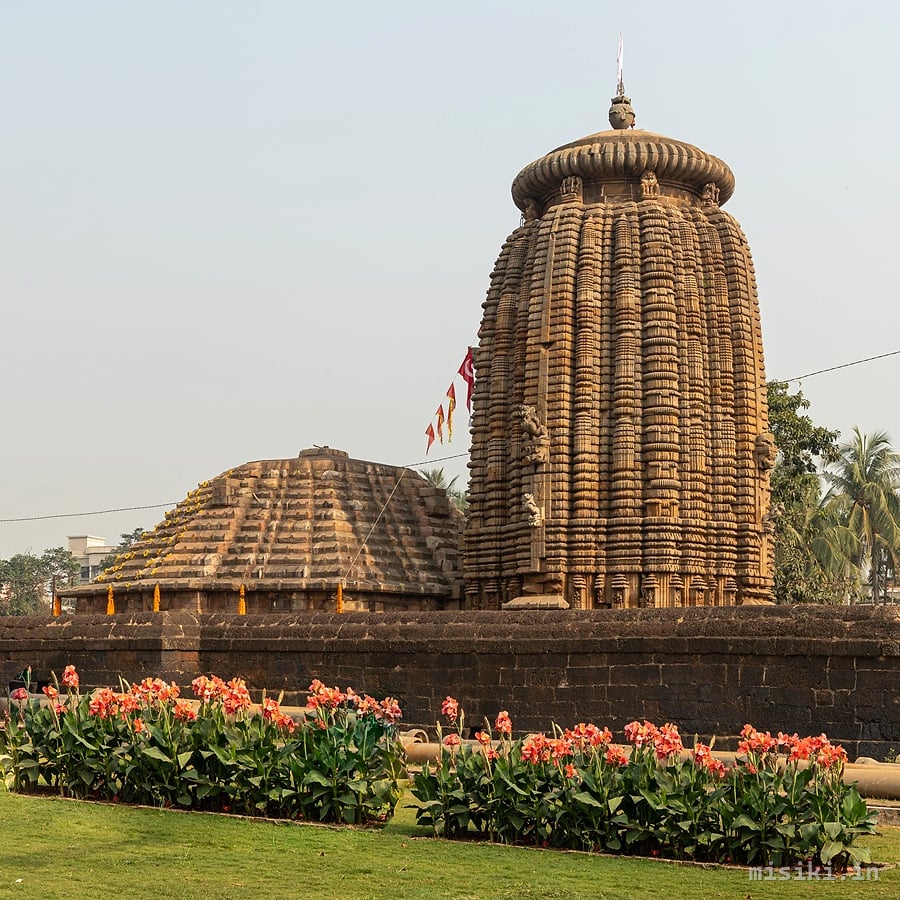
Megheswar Temple, situated in the bustling city of Bhubaneswar, is a 12th-century marvel dedicated to Lord Shiva. Located in the Tankapani Road Area, this temple is a significant cultural and spiritual hub for locals and visitors alike. Whether you’re a devotee or a history enthusiast, this guide has everything you need to plan your visit.
Quick Info
- Timings: 6:00 AM - 8:00 PM
- Entry Fee: Free
- Best Time to Visit: Early mornings or late afternoons
- Location: Tankapani Road, Bhubaneswar, Odisha
Before You Visit
Road Conditions
Tankapani Road is a well-paved route, easily accessible from various parts of Bhubaneswar. However, the last 500 meters leading to the temple can get quite congested, especially during peak hours. Be prepared for some typical city traffic.
Parking Scene
Parking can be a hassle, especially for cars. There’s a small parking area near the temple, mostly suitable for two-wheelers with a nominal fee of ₹10. Cars might need to park a bit further away, and it’s better to avoid the rush hours. Opt for public transport or shared autos if possible.
Footwear & Clothing Advice
As with most temples, you’ll need to remove your shoes before entering. There’s a shoe stand outside the temple that charges around ₹5 for safekeeping. Traditional Indian attire is preferred, but there is no strict enforcement.
Drinking Water & Amenities
The temple grounds have a few drinking water taps, but carrying your own bottle is advisable for hygiene reasons. Public washrooms are available, though they might not be the cleanest, so be prepared.
Best Season to Visit
The best time to visit Bhubaneswar is between October and March, avoiding the scorching summer heat and heavy monsoons. Early mornings and late afternoons are ideal for a visit to the temple itself.
Local Tips & Insights
Crowd Patterns
Weekends and festivals see a surge in visitors. If you prefer a quieter experience, weekday mornings are the best. The temple opens at 6:00 AM, and this is the best time to soak in its spiritual aura with minimal crowd.
Nearby Food Stalls
Right outside the temple, you’ll find a few local tea stalls and snack vendors. Try the “Bara” and “Ghuguni” at the stall called “Shiva Snacks” just down the road — a local favorite.
Photography Spots & Rules
Photography is allowed in the temple courtyard but not inside the sanctum. The best lighting for photos is around sunrise and just before sunset when the temple’s stone structure glows beautifully.
Estimated Travel Cost
Auto Fare
From Master Canteen, expect to pay around ₹100-₹120 for an auto ride to Megheswar Temple. If you’re coming from Rasulgarh or Patia, the fare might be slightly higher, around ₹150.
Fuel & Parking Cost
If you’re driving, factor in fuel costs based on distance. Parking near the temple is minimal and might cost ₹20 for cars if you find a spot.
Bus & Public Transport
The local Mo Bus service is a cost-effective option. Check for routes that stop at Tankapani Road; the nearest stop is about 10 minutes’ walk to the temple.
Safety & Seasonality Notes
Monsoon Access
During the monsoon, the paths can get slippery and muddy. Be cautious, especially if you’re visiting with elderly family members.
Summer/Heat Warning
Bhubaneswar summers can be intense, with temperatures soaring above 40°C. Plan visits early in the morning or late in the evening to avoid the heat.
Internet & Mobile Signal
Network coverage around the temple is generally good. Jio, Airtel, and BSNL users will find strong signals, making it easy to stay connected or use navigation apps.
Kimbadanti (Legends & Local Lore)
According to local lore, Megheswar Temple was built by a devoted king who wished to honor Lord Shiva. It’s said that the temple was constructed in a single day, with divine intervention allowing the workers to complete the intricate carvings and architecture before dawn. Such stories add a mystical charm to your visit.
Comparison Table
| Name | Area | Price | Rating | Best For |
|---|---|---|---|---|
| Megheswar Temple | Tankapani Road | Free | 4.5 | Historical Visits |
| Lingaraj Temple | Old Town | Free | 5.0 | Pilgrimage |
| Mukteswara Temple | Old Town | Free | 4.8 | Architecture Lovers |
Frequently Asked Questions
-
Is there parking available at Megheswar Temple?
- Yes, there’s limited parking available for two-wheelers. Cars might have to park further away.
-
Can I pay for snacks and other purchases via UPI near the temple?
- Yes, most local vendors accept UPI payments. It’s convenient and widely used.
-
Are there any nearby attractions I can visit?
- Yes, Lingaraj Temple and Mukteswara Temple are close by and worth visiting.
-
Is there a dress code for visiting the temple?
- Traditional attire is preferred, but not strictly enforced. Ensure you dress modestly.
-
What are the best times to avoid crowds?
- Weekday mornings and late afternoons are less crowded.
-
Are there any local guides available at the temple?
- Yes, local guides can be hired for a small fee to explain the temple’s history and significance.
-
Is there a place to store shoes safely?
- Yes, there is a paid shoe stand outside the temple.
-
Can I bring my own food inside the temple premises?
- No, outside food is not allowed inside the temple premises.
-
Are there clean washrooms available?
- Washrooms are available but might not be very clean. It’s advisable to use facilities elsewhere if possible.
-
What’s the nearest public transport stop?
- The nearest Mo Bus stop is about a 10-minute walk from the temple on Tankapani Road.